The unicorn is one of the most iconic mythical creatures in human history—symbolizing purity, mystery, and magic. But could this legendary being have been inspired by the natural world? Many historians, scientists, and mythologists believe the answer is yes.
By examining real animals, ancient travel accounts, and human psychology, we can better understand the unicorn myth origins and how nature may have shaped this enduring legend.
Ancient Descriptions of Unicorns
Early accounts of unicorn-like creatures appear in ancient texts from Greece, India, China, and the Middle East. These descriptions often differ from the elegant white horse we imagine today.
Common traits included:
- A single prominent horn
- Great strength and speed
- Wild, untamable behavior
- Association with remote or exotic lands
These details hint at real animals seen through the lens of limited scientific knowledge.
Real Animals That May Have Inspired the Unicorn
🦏 1. Rhinoceroses
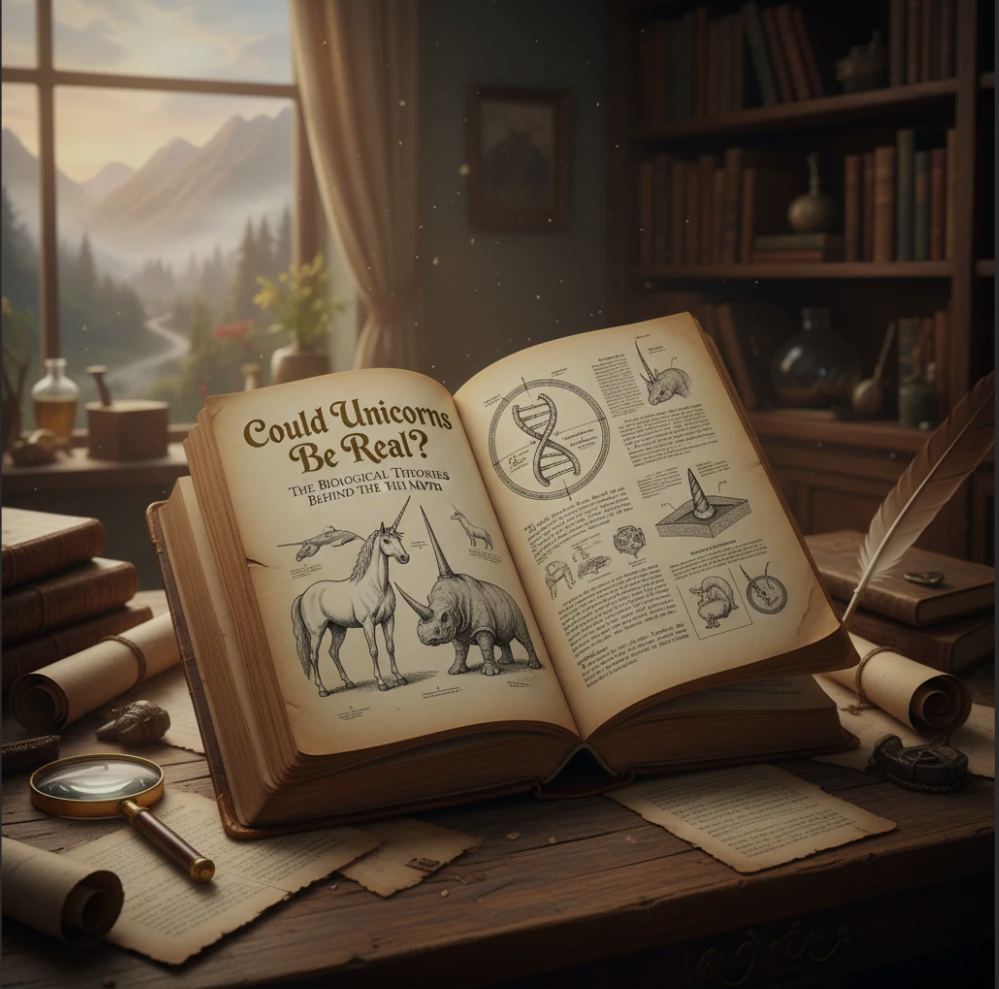
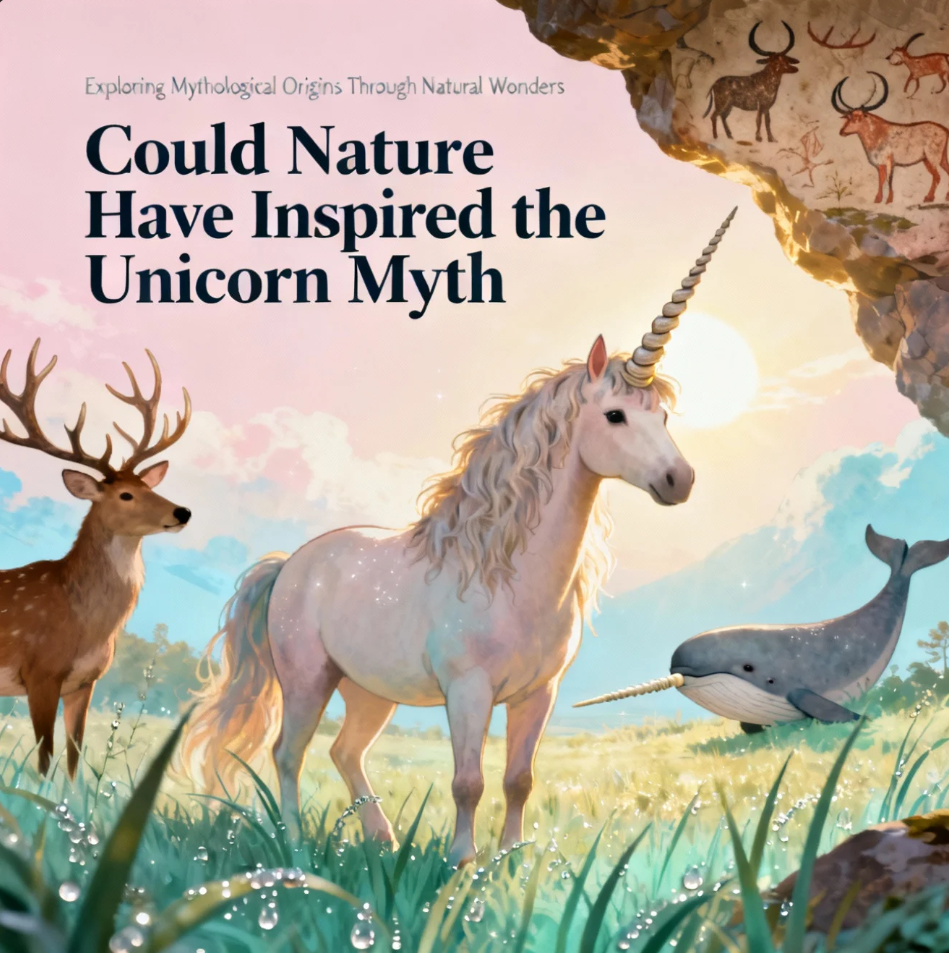
Ancient travelers described rhinoceroses as horse-like beasts with a single horn. Without modern classification, these encounters could easily evolve into myth.
🐐 2. Antelopes and Goats
Certain antelopes, such as the Arabian oryx, appear one-horned when viewed from the side. This optical illusion may have reinforced unicorn sightings.
🦌 3. Deer with Genetic Mutations
Rare genetic conditions can cause animals to develop a single central horn or malformed antlers, fueling belief in mythical creatures.
🐋 4. Narwhals
In medieval Europe, narwhal tusks were often sold as “unicorn horns,” believed to have magical or healing properties.
The Role of Human Imagination and Symbolism
Nature alone didn’t create the unicorn myth—human storytelling completed it.
Unicorns became symbols of:
- Purity and innocence
- Divine protection
- Rarity and unattainability
- Moral virtue
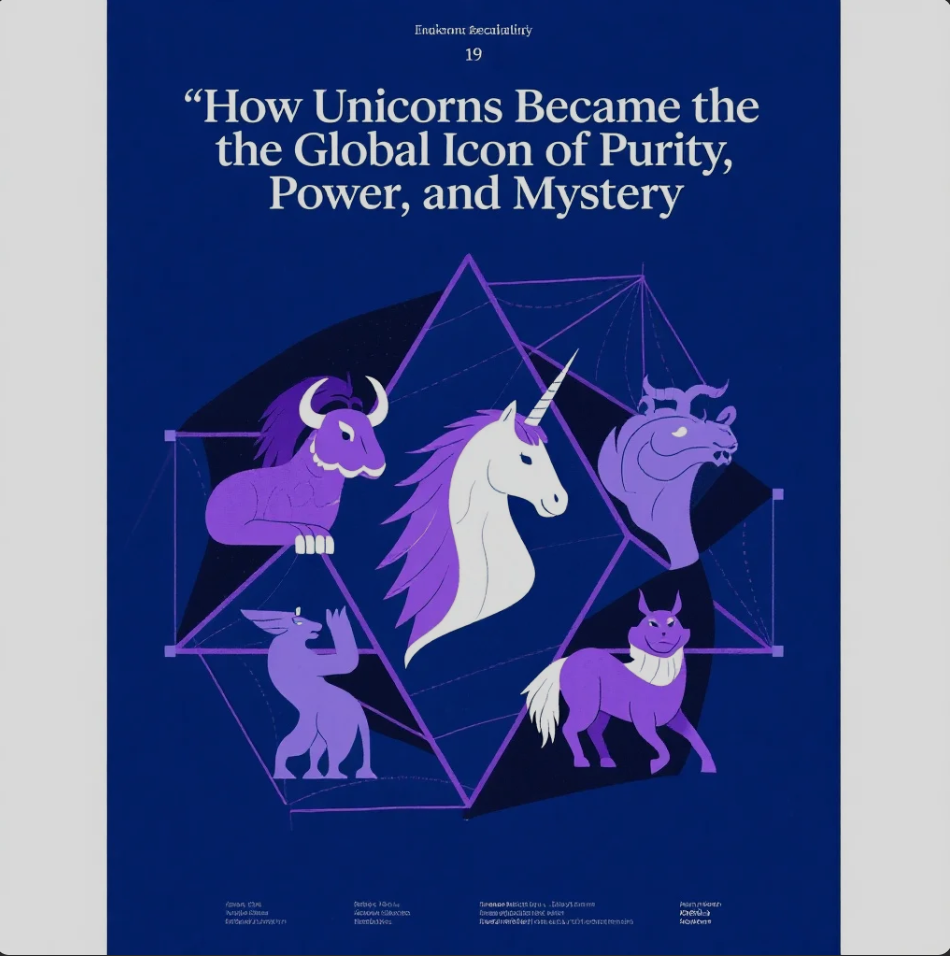
As stories spread, the unicorn evolved from a misunderstood animal into a powerful cultural icon.
Why the Unicorn Myth Endured
The unicorn persisted because it satisfied deep human needs:
- Wonder and mystery
- Hope for the extraordinary
- Meaning beyond the ordinary world
By blending real animals with imagination, the unicorn became timeless—adapting to each culture and era it passed through.
What the Unicorn Myth Teaches Us About Nature
The unicorn myth reminds us that:
- Early humans used storytelling to explain the unknown
- Nature often inspires mythology
- Observation without scientific tools can lead to powerful legends
In this way, unicorns are less about fantasy—and more about how humans interpret the natural world.
Conclusion
So, could nature have inspired the unicorn myth? Evidence strongly suggests it did. Real animals, rare mutations, and misunderstood sightings—combined with imagination and symbolism—likely gave rise to one of history’s most beloved legends.
The unicorn stands as a testament to humanity’s ability to transform nature into myth, and myth into meaning.