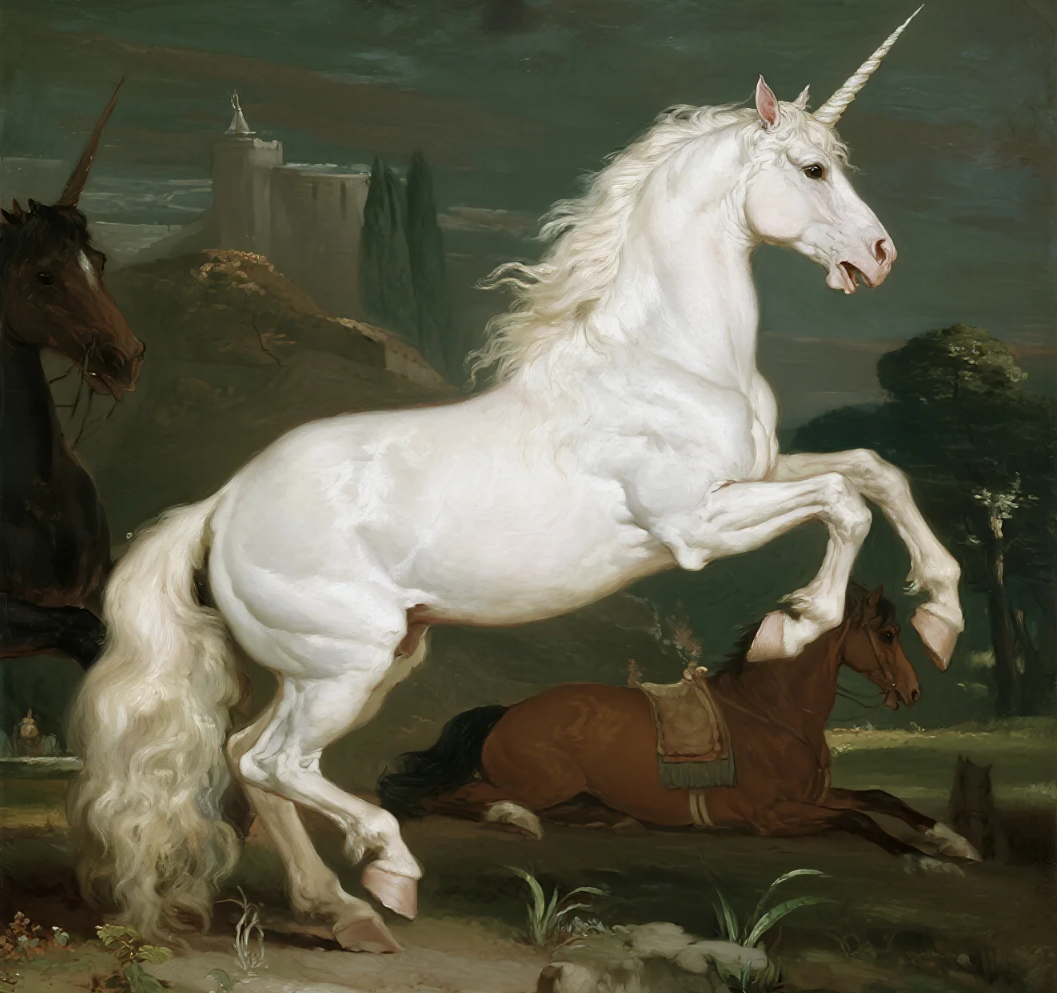
Long before fantasy novels and medieval tapestries, the unicorn was already roaming the human imagination. The reason? Ancient traders. As merchants traveled vast distances across continents, they carried more than silk, spices, and gold—they carried stories. Through trade routes like the Silk Road and maritime networks of the ancient world, these travelers helped spread and transform what would become the global unicorn myth.
This article explores how ancient traders spread the unicorn myth worldwide, blending real animals, cultural storytelling, and human wonder into one of history’s most enduring legends.
Trade Routes as Myth Highways
Ancient trade routes acted as early information networks.
Major Routes That Spread Legends
- The Silk Road (China to the Mediterranean)
- Indian Ocean maritime trade
- Arabian caravan routes
- Trans-Saharan trade networks
Traders shared stories at ports, markets, and rest stops. Over time, these tales evolved—especially when describing unfamiliar animals to audiences who had never seen them.
👉 Learn more about ancient trade networks:
World History Encyclopedia – Silk Road
https://www.worldhistory.org/Silk_Road/
The Unicorn’s Earliest Descriptions
One of the earliest written accounts comes from Ctesias, a Greek physician in Persia (5th century BCE). He described a wild, single-horned creature from India—likely inspired by secondhand trader accounts.
Key Details from Early Accounts
- Horse- or donkey-like body
- Single horn on the forehead
- Fierce and untamable nature
- Healing or magical properties
These descriptions traveled west with merchants and were accepted as factual by scholars for centuries.
Real Animals Behind the Myth
Ancient traders often exaggerated—or misunderstood—exotic animals.
Likely Unicorn Inspirations
- Indian rhinoceros – One horn, immense size
- Arabian oryx – Appears one-horned in profile
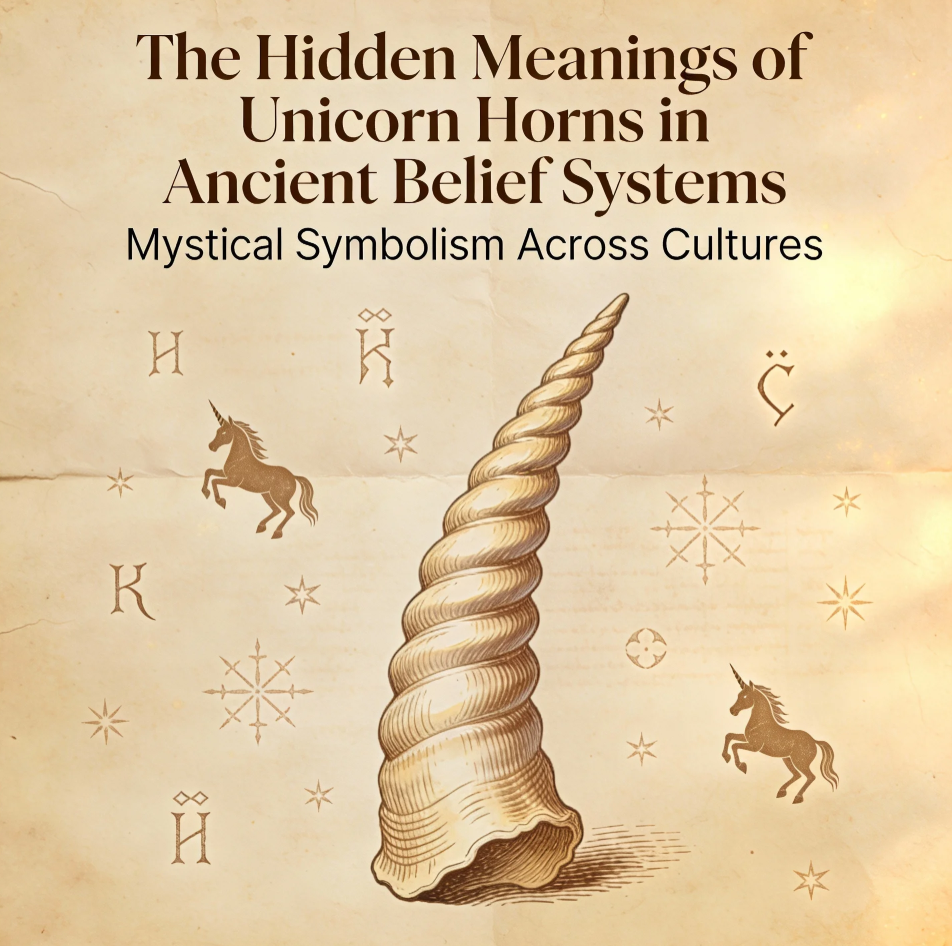
- Narwhal – Tusks sold as “unicorn horns” in Europe
- Antelope species – Stylized in art and storytelling
When traders described these animals to people who had never seen them, imagination filled the gaps.
👉 Read about narwhal tusk trade history:
Natural History Museum (UK)
https://www.nhm.ac.uk/
Cultural Adaptation Across Regions
As stories traveled, cultures reshaped the unicorn to fit local beliefs.
Regional Variations
- China: The Qilin symbolized wisdom and prosperity
- India: Single-horned beasts associated with purity
- Persia: Mythical animals linked to divine protection
- Europe: Unicorns symbolized chastity, royalty, and Christ
By the Middle Ages, European traders were paying fortunes for supposed unicorn horns—actually narwhal tusks.
The Role of Medieval Commerce
During the medieval period, trade guilds and royal courts fueled unicorn popularity.
- Unicorn horns were believed to detect poison
- Powdered “horn” sold as medicine
- Monarchs displayed horns as symbols of power
Merchants benefited greatly from this belief, reinforcing the myth’s credibility.
👉 Historical context:
British Library – Medieval Bestiaries
https://www.bl.uk/collection-guides/medieval-bestiaries
Why the Unicorn Myth Endured
The unicorn myth survived because it sat at the intersection of:
- Commerce
- Curiosity
- Spiritual symbolism
- Limited scientific knowledge
Ancient traders weren’t lying—they were storytellers navigating a world without photography, biology, or standardized facts.
Conclusion
The unicorn is not just a fantasy creature—it’s a testament to human connection. As ancient traders spread the unicorn myth worldwide, they unknowingly created one of history’s most powerful shared symbols.
From dusty caravan trails to royal courts, the unicorn galloped through centuries of trade, belief, and imagination—proving that stories, like goods, travel far when people do.