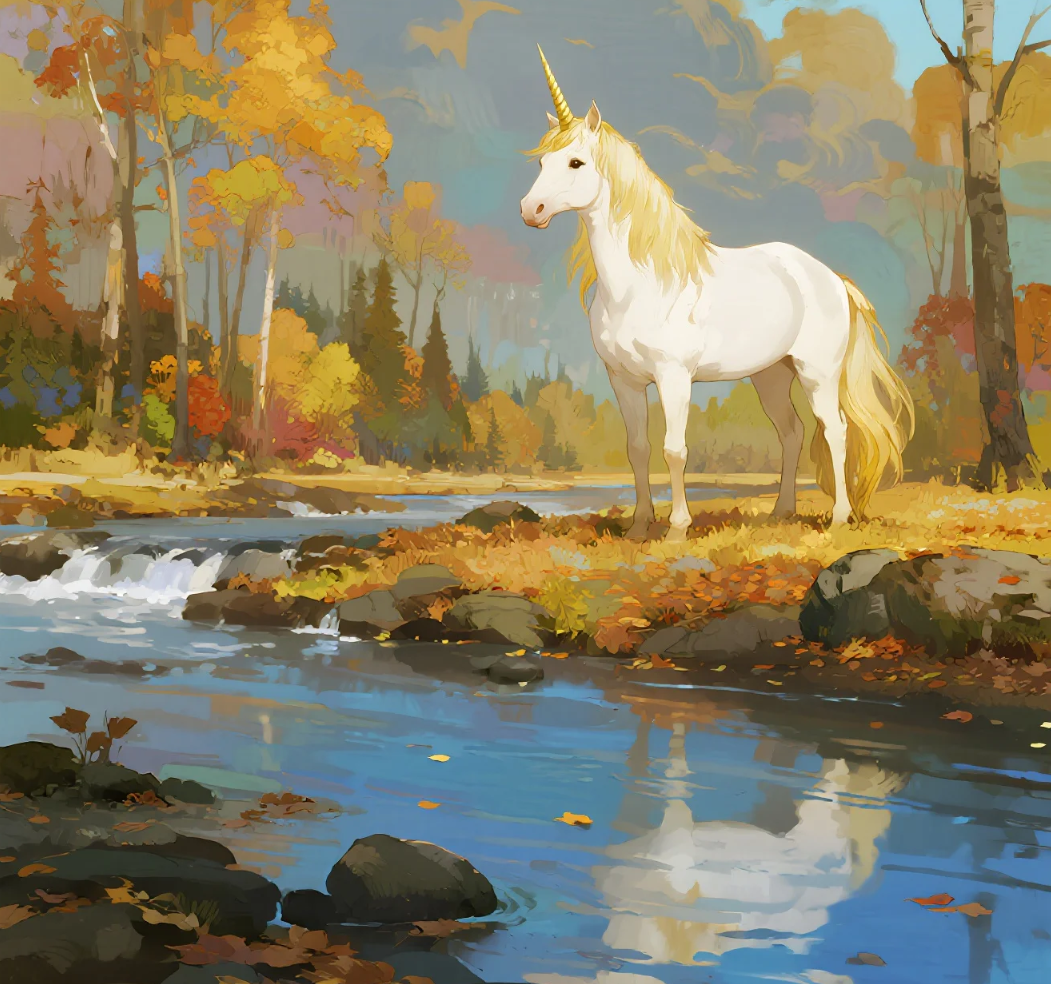
The unicorn has fascinated humanity for thousands of years, yet its meaning has never been singular. Across civilizations, unicorn symbolism has shifted between purity, power, and protection—sometimes embodying all three at once. Far from being a simple fantasy creature, the unicorn functioned as a moral, spiritual, and cosmic symbol for ancient minds.
So what did the unicorn truly represent? Let’s decode the layers behind its enduring symbolism.
Purity: The Moral Ideal
Purity is perhaps the most widely recognized aspect of unicorn symbolism. Ancient and medieval traditions often portrayed the unicorn as a creature that could only be approached by those of untainted spirit.
This idea appears in:
- Greek myths, where the unicorn submits only to the virtuous
- Medieval bestiaries, linking the unicorn to chastity and innocence
- Religious allegories, associating the unicorn with divine truth
Purity, in this context, was not weakness—it was moral strength, a quality believed to grant access to sacred power.
Power: Untamed Strength
Despite its gentle modern image, the unicorn was once considered a fearsome beast. Ancient texts describe it as swift, aggressive when threatened, and impossible to subdue by force.
The unicorn’s power symbolized:
- Nature’s raw energy
- Independence from human control
- Authority that cannot be inherited or seized
In many cultures, power was seen as legitimate only when balanced by virtue—making the unicorn a perfect symbol of righteous strength.
Protection: The Sacred Guardian
The unicorn’s horn was believed to possess protective properties. Known as the alicorn, it was said to neutralize poison, heal illness, and ward off evil.
This protective symbolism appeared in:
- Royal courts, where unicorn horns were prized
- Ancient medicine and alchemy
- Religious art depicting unicorns near sacred figures
Protection was not just physical—it was spiritual, safeguarding truth and purity from corruption.
Cultural Interpretations of Unicorn Symbolism
Eastern Traditions
In Chinese mythology, the Qilin (often compared to the unicorn) represented peace, justice, and moral governance. It appeared only during times of righteous rule, reinforcing the unicorn’s role as a cosmic judge.
Western Traditions
In Europe, unicorn symbolism evolved into a blend of Christian theology and folklore. The unicorn became a symbol of Christlike purity and divine sacrifice, reinforcing its protective and moral dimensions.
Why Unicorn Symbolism Endures
Unicorn symbolism survives because it speaks to universal human ideals:
- The desire for purity in a flawed world
- The need for power that does not corrupt
- The longing for protection beyond human control
These themes transcend time, making the unicorn endlessly adaptable to new cultural contexts.
Modern Echoes of Ancient Meaning
Even today, unicorn symbolism appears in:
- Branding and luxury design
- Spiritual iconography
- Art and fashion
While modern uses often emphasize whimsy, the ancient meanings—purity, power, and protection—remain embedded beneath the surface.
Final Thoughts: A Symbol Without Limits
So, is the unicorn a symbol of purity, power, or protection? The answer is all three. Unicorn symbolism endures precisely because it refuses to be confined to a single meaning. It represents the ideal balance between moral integrity, untamed strength, and divine safeguarding—a balance humanity has always aspired to achieve.