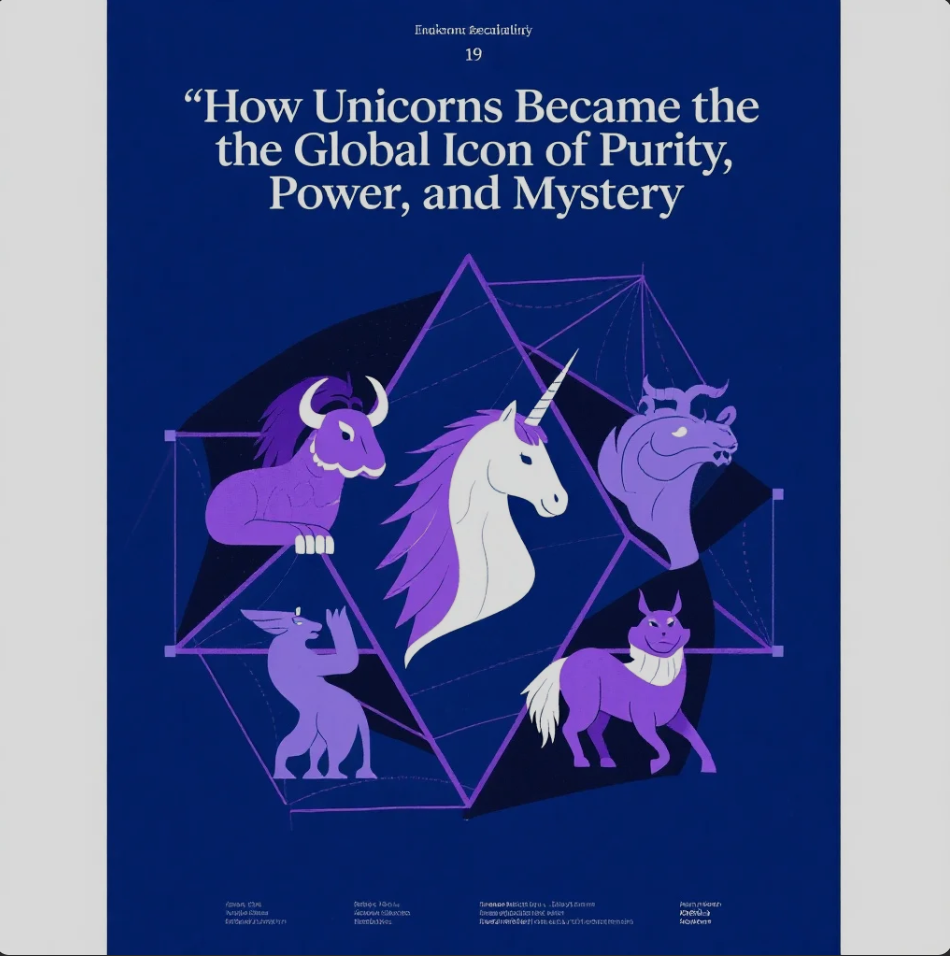
Explore how unicorns became a global symbol of purity, power, and mystery, from ancient mythology to modern culture and popular media.
Unicorns have captured human imagination for centuries. These mythical creatures, often depicted as white horses with a single spiraled horn, are widely recognized today as symbols of purity, power, and mystery. But how did unicorns rise from ancient folklore to become a global cultural icon?
1. Origins in Ancient Mythology
The unicorn appears in myths from multiple cultures:
- Mesopotamia & India: Early references describe a powerful one-horned creature.
- China: The Qilin, often compared to unicorns, represented wisdom and peace.
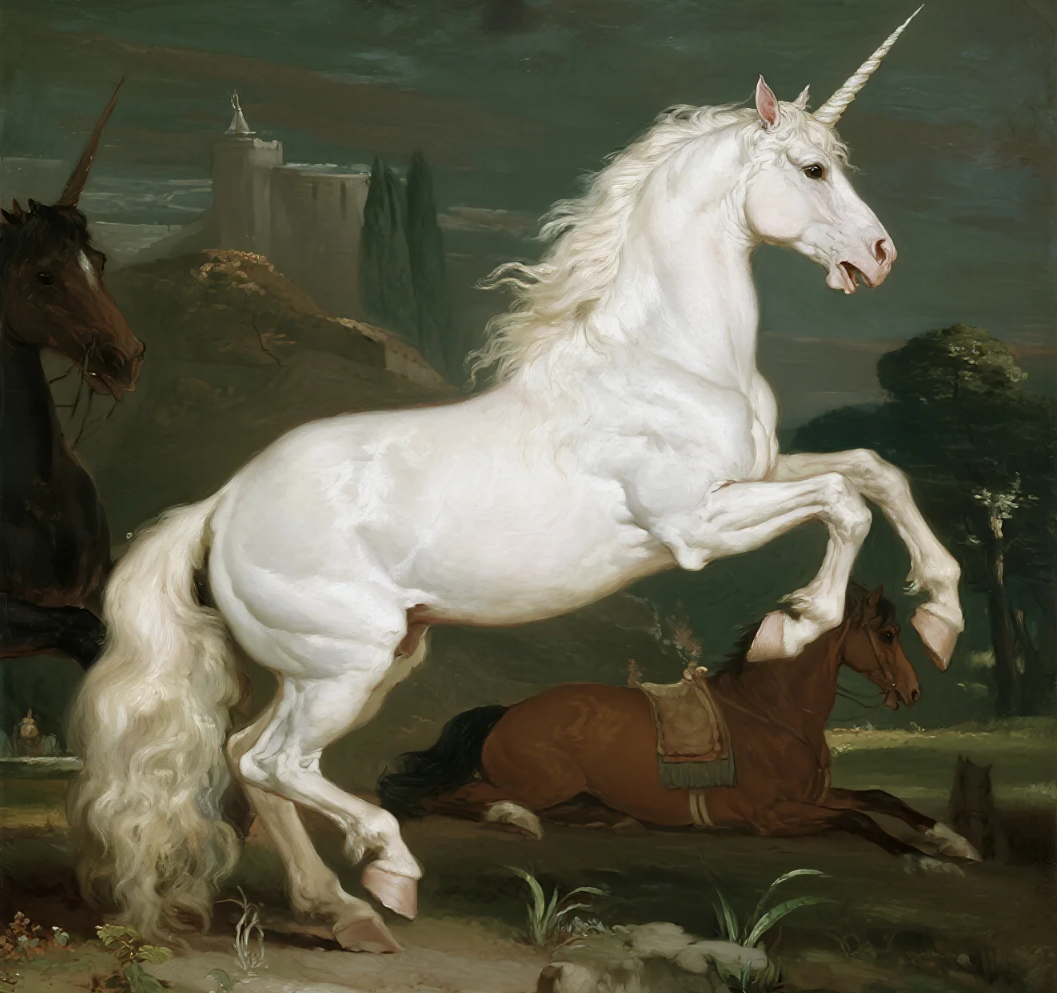
- Medieval Europe: The unicorn symbolized purity, often linked with virginity and innocence in religious art.
Across these cultures, unicorns were considered rare, magical, and almost impossible to capture, reinforcing their aura of mystery.
2. Symbol of Purity
During the Middle Ages and Renaissance, unicorns became associated with innocence and purity:
- Religious artwork often shows unicorns tamed by virgins, symbolizing moral purity.
- Literature and tapestries of the time used unicorns to convey virtue and divine grace.
Even today, the idea of a unicorn evokes something pure and untouched, whether in literature, media, or merchandise.
3. Symbol of Power
Beyond purity, unicorns also symbolize strength and magical power:
- Their horn was believed to have healing properties and could neutralize poisons.
- In folklore, only the worthy could approach or tame a unicorn.
- Modern interpretations show unicorns as mystical creatures with extraordinary abilities, representing inner power and resilience.
4. Symbol of Mystery
Unicorns are elusive by nature, which adds to their mysterious allure:
- They appear rarely in myths, making them highly desirable and legendary.
- Their magical abilities and ethereal appearance create a sense of wonder.
- Modern pop culture continues to maintain this aura of mystery, from fantasy novels to animated films and collectibles.
5. Modern Popularity
Today, unicorns are not just mythological—they are cultural icons:
- Pop culture: Appears in movies, TV shows, and video games as symbols of magic and uniqueness.
- Merchandise: From toys to clothing, unicorns appeal to both children and adults.
- Digital culture: Emojis, filters, and memes use unicorns to convey whimsy, rarity, and joy.
This widespread popularity shows how unicorns have transitioned from folklore to global cultural symbolism.
Conclusion
From ancient myths to modern media, unicorns have maintained their status as icons of purity, power, and mystery. They remind us of the magical, the rare, and the extraordinary. Whether in literature, art, or pop culture, the unicorn continues to inspire wonder and imagination around the world.