When most people think of unicorns, they picture a white horse with a glowing horn—beautiful, magical, and pure. But around the world, unicorn myths are far more diverse and mysterious.
Different cultures across Asia, Africa, and the Middle East have their own unique versions of unicorn-like creatures, each with special meanings and powers.
Below are some rare unicorn legends you’ve probably never heard of.
1. Asia: The Qilin – A Unicorn of Peace and Prosperity
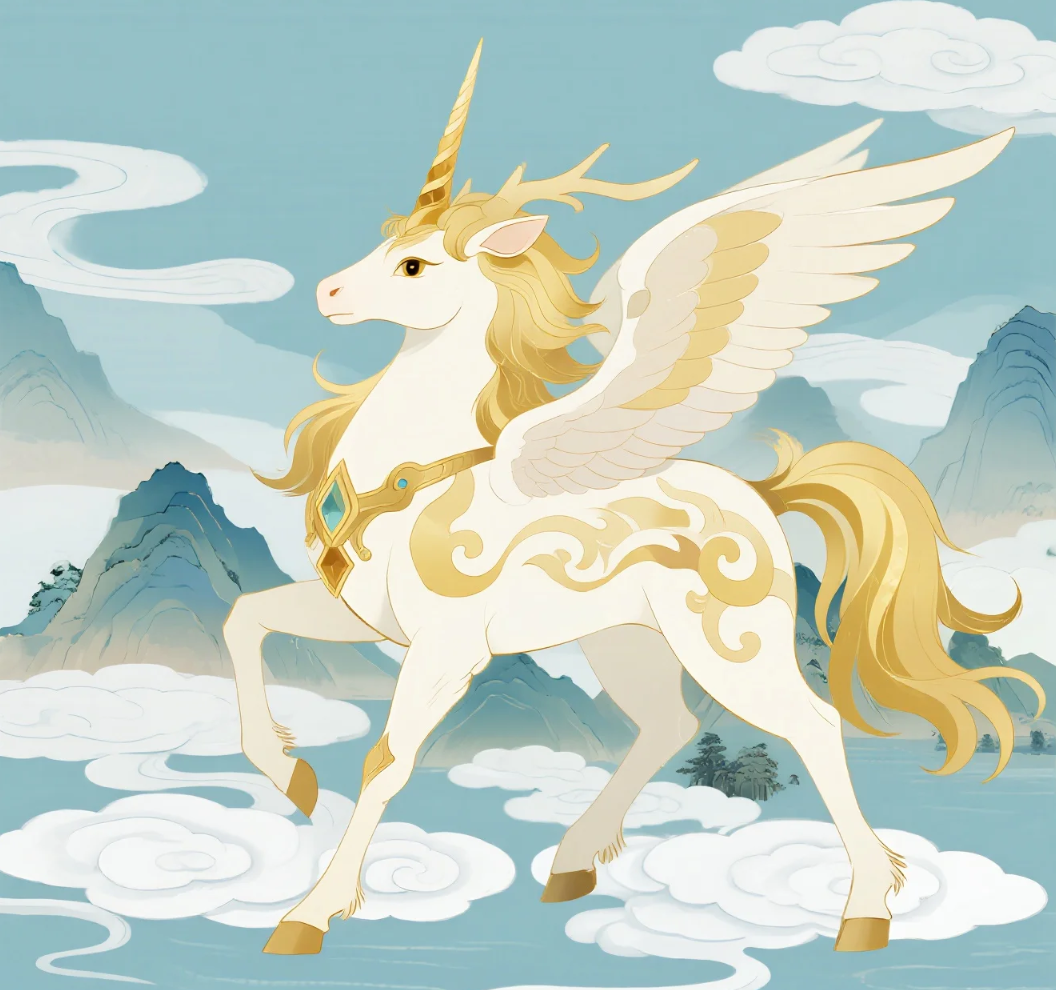
In East Asian cultures, especially China, Japan, and Korea, the Qilin is often compared to a unicorn, though it looks very different.
What makes the Qilin unique?
- Appears only when a great leader or wise person is born
- Has a single horn, deer-like body, and dragon-like scales
- Symbolizes peace, justice, and good fortune
- Known to walk so gently that it doesn’t harm grass or insects
Unlike the Western unicorn—which is often wild and free—the Qilin represents wisdom and moral purity.
2. India: The Indus Valley Unicorn
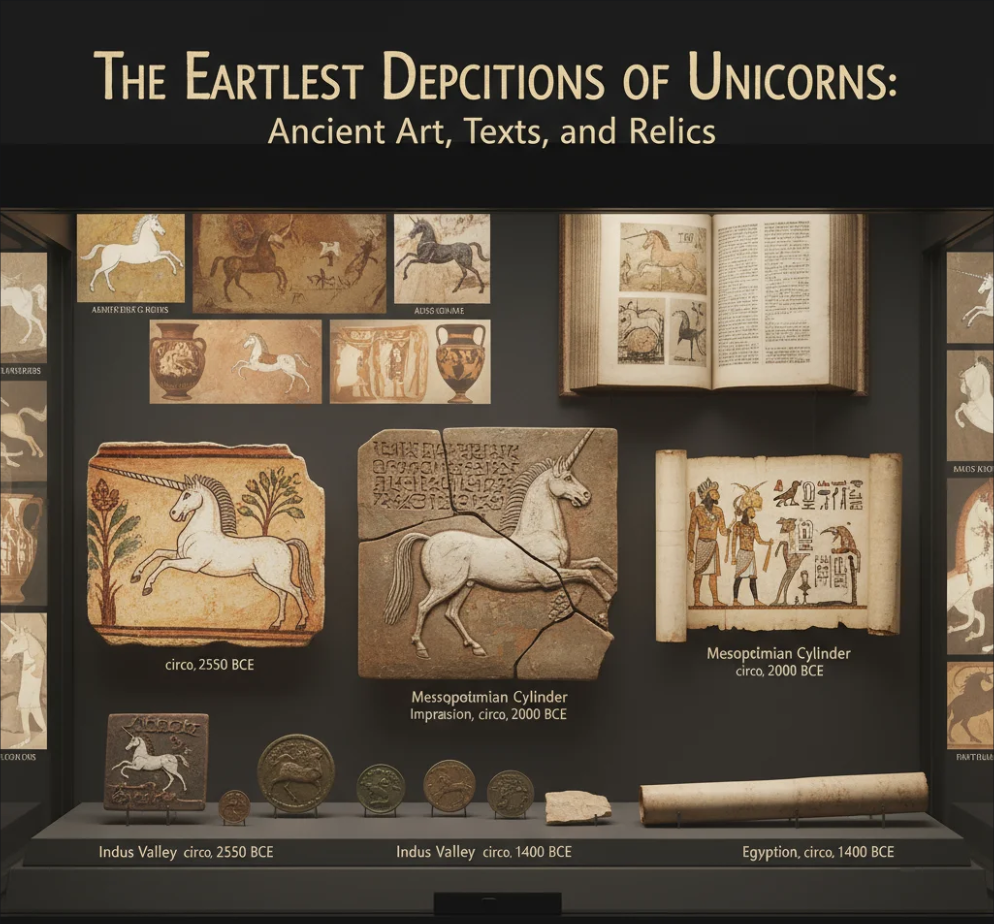
One of the oldest known unicorn images comes from ancient India.
Rare facts about this unicorn:
- Appears on 4,000-year-old seals from the Indus Valley Civilization
- Depicted as a bull-like animal with one long horn
- Believed to represent wealth, strength, or high social status
Some historians think it wasn’t a real animal but a royal or spiritual symbol.
3. Africa: The Abada – The Double-Horned “Unicorn”
In central Africa, particularly in Congo folklore, there is a creature called the Abada.
Interesting traits of the Abada:
- Looks like a small rhinoceros with two horns, not one
- The horns are believed to neutralize poison
- Represents healing, protection, and survival in nature
The Abada myth shows how African cultures often connect magical creatures with practical wisdom about the natural world.
4. Middle East: The Karkadann – The Fierce Desert Unicorn
From ancient Persian and Arabian legends comes the Karkadann, a far more powerful and dangerous unicorn.
Why this unicorn is different:
- Described as a massive creature similar to a rhino
- Has one large, sharp horn used for defense
- Lives in deserts and grasslands
- Feared by animals but strangely gentle toward birds
Some stories say the Karkadann’s horn can cure illness or neutralize venom, inspiring medieval legends about magical unicorn horns.
5. Southeast Asia: The Cambodian & Thai “One-Horned Ox” Legend
In parts of Cambodia, Thailand, and Laos, ancient stories describe a one-horned ox-like animal believed to protect forests and sacred lands.
Key features:
- Known for strength and loyalty
- Said to appear only to monks or righteous people
- Symbolizes spiritual guardianship
This myth mixes Buddhist spiritual beliefs with local folklore.
Conclusion
Unicorns are not the same everywhere. Around the world, cultures created their own magical creatures—some peaceful, some fierce, some healers, some protectors. These rare myths show that the idea of the “unicorn” is much older and more global than most people realize.
From the gentle Qilin of China to the powerful Karkadann of Persia, these stories remind us how imagination and culture shape the creatures we believe in.