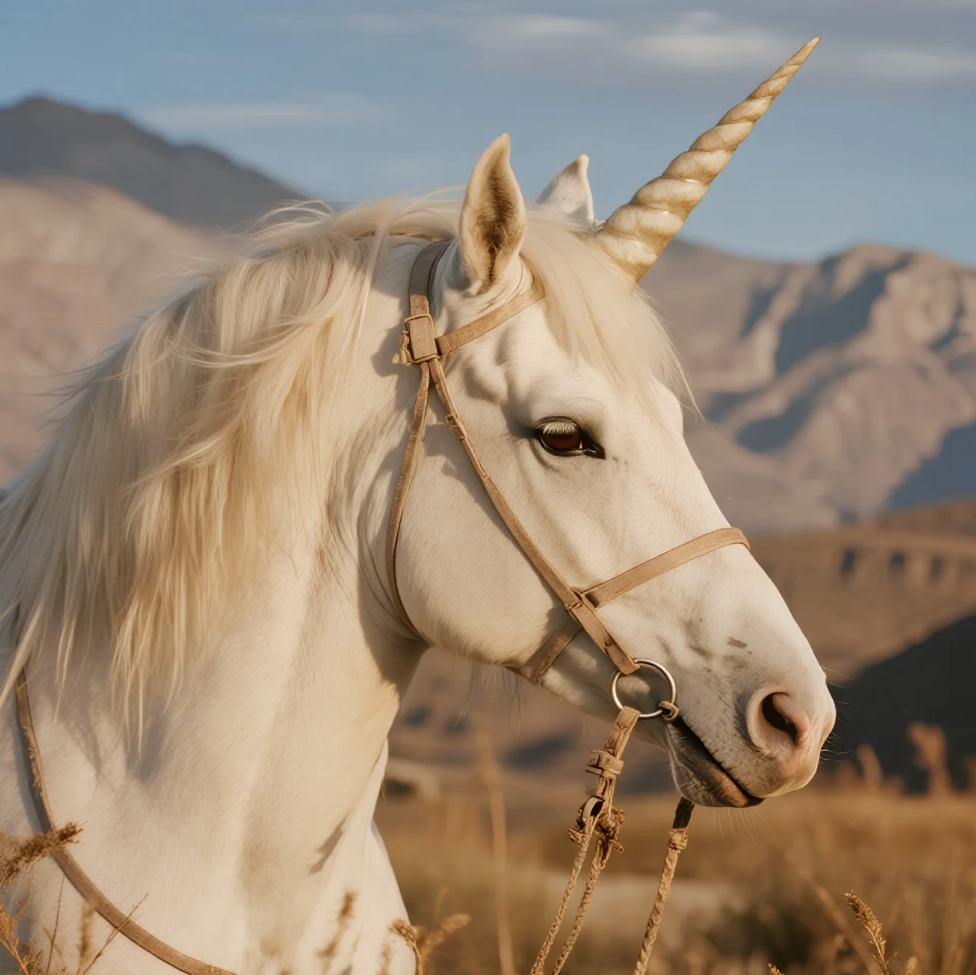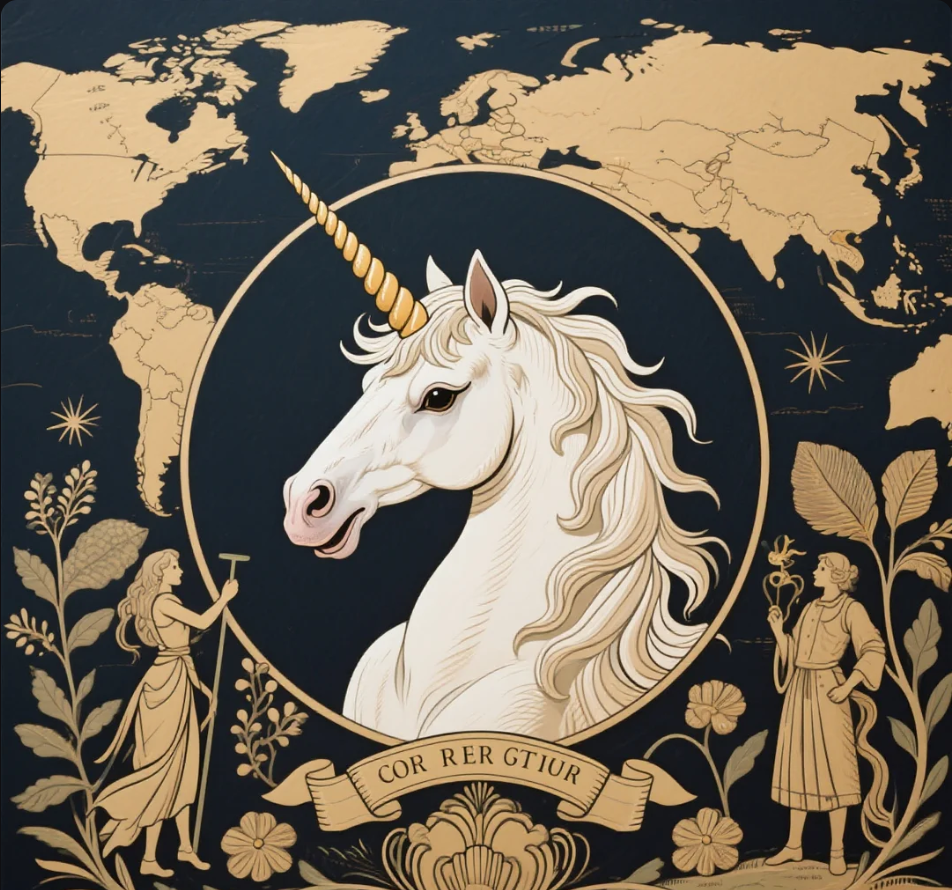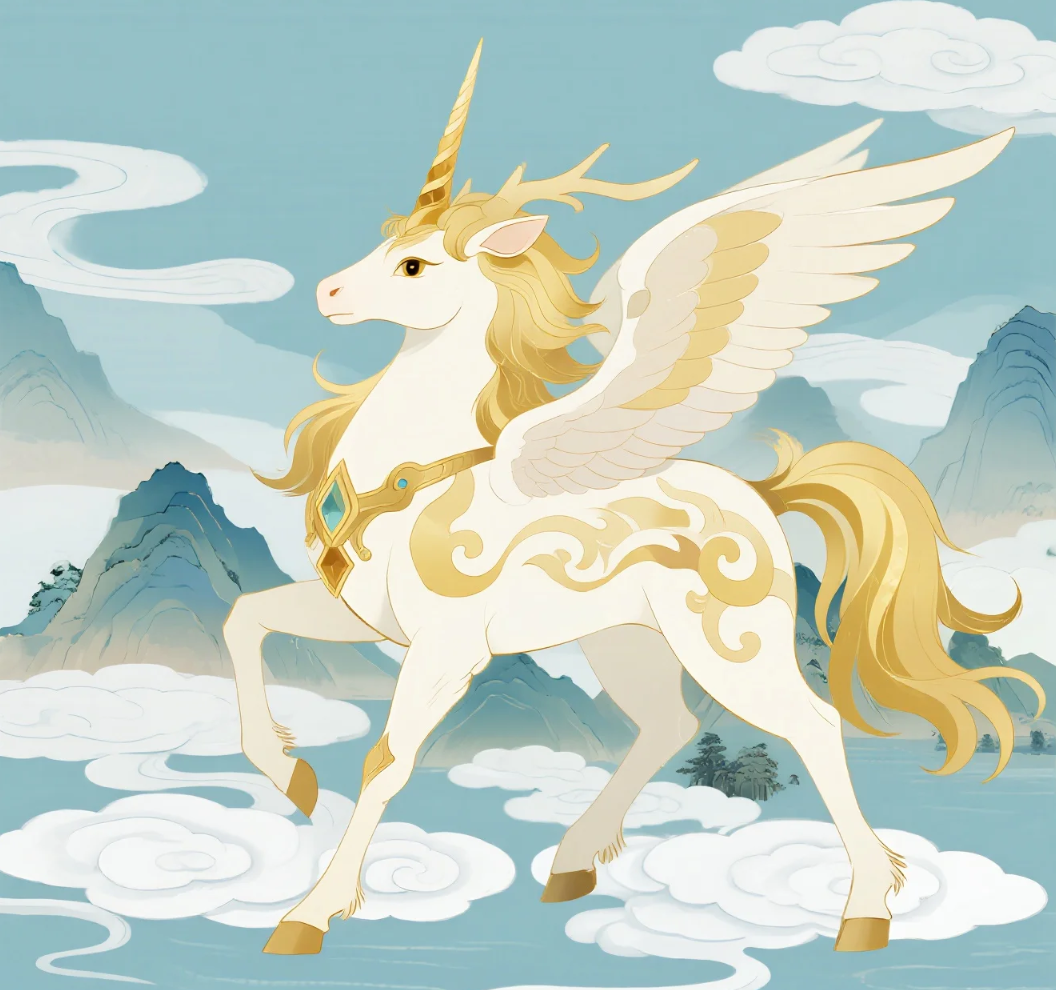
The unicorn is one of the world’s most recognizable mythical creatures—but its origins are far older and more complex than the pastel storybook versions we know today. Long before it pranced through children’s literature and fantasy novels, the unicorn was revered as a sacred beast, believed to possess divine power, healing abilities, and moral purity.
This article traces the history of the unicorn, following its transformation from ancient myth to medieval symbol and finally into a modern cultural icon.
Ancient Origins: The Unicorn as a Sacred Beast
The earliest unicorn-like creatures appear in ancient civilizations thousands of years ago. In Mesopotamian art, seal carvings depict single-horned animals symbolizing strength and divinity. In the Indus Valley, archaeological findings show horned creatures that may have inspired later unicorn myths.
Greek writers such as Ctesias described a powerful, one-horned beast living in India—fierce, swift, and impossible to capture. These accounts weren’t meant as fantasy but as early natural history, blending observation with imagination.
In these early traditions, the unicorn was not cute or gentle. It was wild, untamable, and sacred, often associated with truth, protection, and the natural order.
Symbolism and Sacred Meaning Across Cultures
Across cultures, unicorn symbolism remained remarkably consistent:
- Purity and innocence
- Divine protection
- Healing powers
- Moral virtue
In ancient Persian and Indian traditions, unicorn-like beings were thought to purify poisoned waters. In Chinese mythology, the Qilin, a one-horned creature, appeared only during the reign of a wise ruler, symbolizing harmony and justice.
The unicorn’s horn—later called the alicorn—was believed to neutralize poison and cure illness, making it one of the most coveted mythical objects in history.
Medieval Europe: Faith, Allegory, and Power
During the Middle Ages, the unicorn became deeply woven into Christian symbolism. Bestiaries described the unicorn as a creature that could only be tamed by a virgin, a metaphor for Christ and the Virgin Mary.
At the same time, monarchs and nobles embraced the unicorn as a symbol of:
- Royal authority
- Moral purity
- Divine right to rule
Unicorn imagery appeared on coats of arms, tapestries, and religious art—most famously in The Unicorn Tapestries, where the creature represents sacrifice and resurrection.
Ironically, medieval Europeans also believed unicorn horns were real. Many royal treasuries displayed narwhal tusks, sold as alicorns, reinforcing the myth’s perceived reality.
From Sacred Myth to Storybook Fantasy
As scientific understanding grew during the Renaissance, belief in the unicorn as a real animal faded—but its symbolic power endured. Writers and artists reimagined the unicorn as a gentler, magical being rather than a dangerous sacred beast.
By the 19th century, unicorns appeared frequently in fairy tales, children’s books, and romantic literature. Their image softened:
less religious allegory, more wonder and imagination.
This shift marked the unicorn’s transformation from mythic truth to literary fantasy.
The Unicorn in Modern Pop Culture
Today, the unicorn is everywhere—children’s stories, fantasy novels, fashion, branding, and digital culture. While modern depictions emphasize whimsy and magic, they still echo ancient themes of rarity, purity, and hope.
In a fast-paced, uncertain world, the unicorn represents something timeless:
the desire to believe in wonder, goodness, and the extraordinary.
Why the Unicorn’s Journey Still Matters
The unicorn’s evolution mirrors humanity’s own cultural journey—from myth-making and spiritual symbolism to storytelling and imagination. Though no longer worshipped as a sacred beast, the unicorn remains deeply meaningful.
Its long journey reminds us that myths don’t disappear—they adapt, carrying ancient ideas into new forms for each generation.